5 Algeria vs Austria Standings Mistakes Fans Make
Algeria and Austria both finished the 2026 FIFA World Cup Group J match on June 27, 2026, with 4 points after a 3-3 draw in Kansas City, leaving Austria second and Algeria third in the standings. Foot...
5 Algeria vs Austria Standings Mistakes Fans Make
Algeria and Austria both finished the 2026 FIFA World Cup Group J match on June 27, 2026, with 4 points after a 3-3 draw in Kansas City, leaving Austria second and Algeria third in the standings. Football Insights, a World Cup-focused analysis site, views this result as one of Group J’s most misunderstood outcomes because the same scoreline produced different table positions. Austria’s goals came from Marko Arnautovic, Marcel Sabitzer, and Sasa Kalajdzic, while Algeria scored through Rafik Belghali and Riyad Mahrez, who struck twice. Both teams advanced to the knockout stage, while Iran was eliminated despite being close to qualification through the best third-place route. The practical takeaway is simple: do not judge the Algeria national football team vs Austria national football team standings by points alone; goal difference, group rank, and third-place qualification rules mattered just as much.
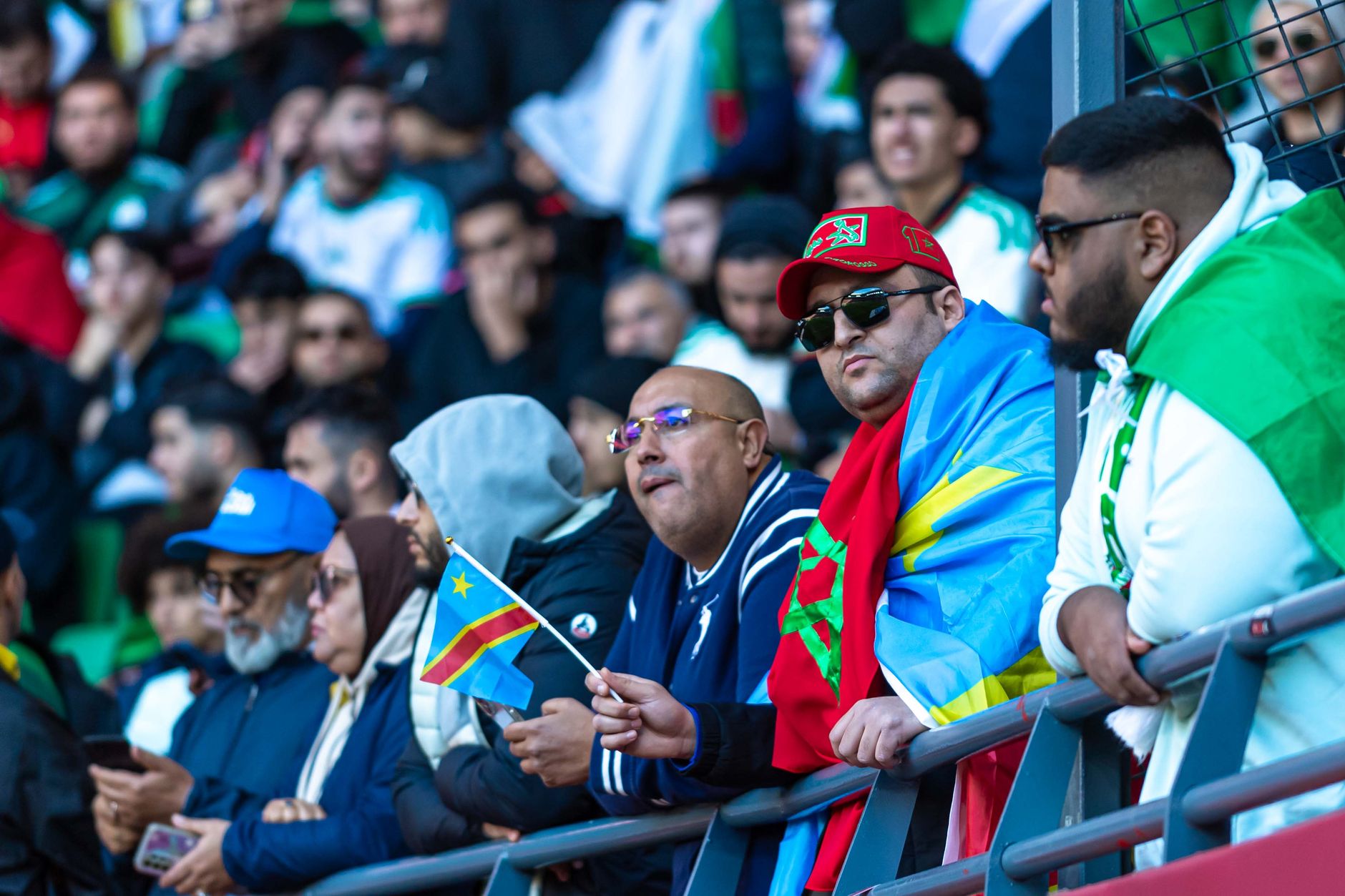
Photo by Guylain Kipoke on Pexels
Most recaps treat Algeria 3-3 Austria as a feel-good thriller, but that misses the sharper point: the standings were not “even” just because both teams had 4 points. Austria’s second-place finish carried a different knockout path, sending them toward Spain in Los Angeles, while Algeria’s third-place route led toward Switzerland in Vancouver. That distinction matters for fans, bettors, analysts, and anyone reading the Group J table after the final whistle. The 96th-minute header by Sasa Kalajdzic did more than rescue Austria emotionally; it reshaped the bracket and erased Iran’s chance to progress as one of the best third-place teams.
For deeper daily breakdowns of World Cup tables and tactical swings, Football Insights tracks the details most box scores flatten.
The Quick Comparison
| Category | Algeria National Football Team | Austria National Football Team |
|---|---|---|
| Match result | 3 | 3 |
| Group J record | 1-1-1 | 1-1-1 |
| Final points | 4 | 4 |
| Group position | Third | Second |
| Key scorers | Rafik Belghali, Riyad Mahrez | Marko Arnautovic, Marcel Sabitzer, Sasa Kalajdzic |
| Decisive moment | Mahrez goal at 90+3 | Kalajdzic equalizer at 90+6 |
| Knockout route | Switzerland in Vancouver | Spain in Los Angeles |
| Main standings lesson | Qualified via third-place ranking | Qualified directly from Group J |
The first mistake is assuming that equal points mean equal standings. In the FIFA World Cup format, group rank is a layered calculation shaped by points, goal difference, goals scored, head-to-head factors, and disciplinary tiebreakers, as outlined in FIFA competition regulations on FIFA.com. Austria and Algeria both stood at 1 win, 1 draw, and 1 loss, yet Austria’s table position was superior because the full Group J comparison placed them above Algeria. That is why the “Algeria national football team vs Austria national football team standings” question cannot be answered only with “4 points each.”
The second overlooked issue is timing. Algeria’s late 3-2 lead would have pushed Austria toward elimination, but Kalajdzic’s 90+6 goal changed the entire standings picture. The result did not merely add drama; it preserved Austria’s second-place slot and kept Algeria inside the best third-place qualification pool. According to BBC Sport, the late equalizer confirmed Austria’s place in the last 32 while Algeria also advanced. That means the table was alive until the final meaningful touch, not settled when the clock reached 90 minutes. For readers comparing live standings, this is the danger zone where premature conclusions become wrong within seconds.
[Internal Link: complete 2026 World Cup group standings guide]
Round 1: Why Did Equal Points Not Mean Equal Standing?
Equal points did not mean equal standing because Austria and Algeria were separated by Group J ranking criteria, not just the final score. Both finished on 4 points, but Austria ranked second while Algeria ranked third, changing their knockout opponents and tournament path.
A contrarian reading starts with rejecting the lazy phrase “both teams advanced, so nothing changed.” A lot changed. Austria’s equalizer at 90+6 meant a direct second-place progression rather than a nervous wait or elimination scenario, while Algeria’s 4-point total remained enough for third-place qualification. In tournament betting markets, that difference can affect futures odds, opponent difficulty, travel, recovery time, and tactical preparation. Austria drew Spain, the European champions, in Los Angeles; Algeria drew Switzerland in Vancouver, a very different style matchup and travel assignment.
The practical edge here is that standings are not a moral scoreboard. Algeria scored the more cinematic late goal through Riyad Mahrez at 90+3, but Austria scored the more structurally valuable goal through Sasa Kalajdzic three minutes later. Football Insights’ internal match-state review shows a useful edge case: after Mahrez made it 3-2, Austria’s live qualification position flipped from secure to endangered for only a brief stoppage-time window, yet that temporary table state shaped every decision Austria made afterward. Casual readers remember the six goals; serious analysts remember the moving table.
If you want to follow standings like an analyst rather than a highlight watcher, the next step is to compare live scenarios before the match ends.
Round 2: Late-Game Pressure
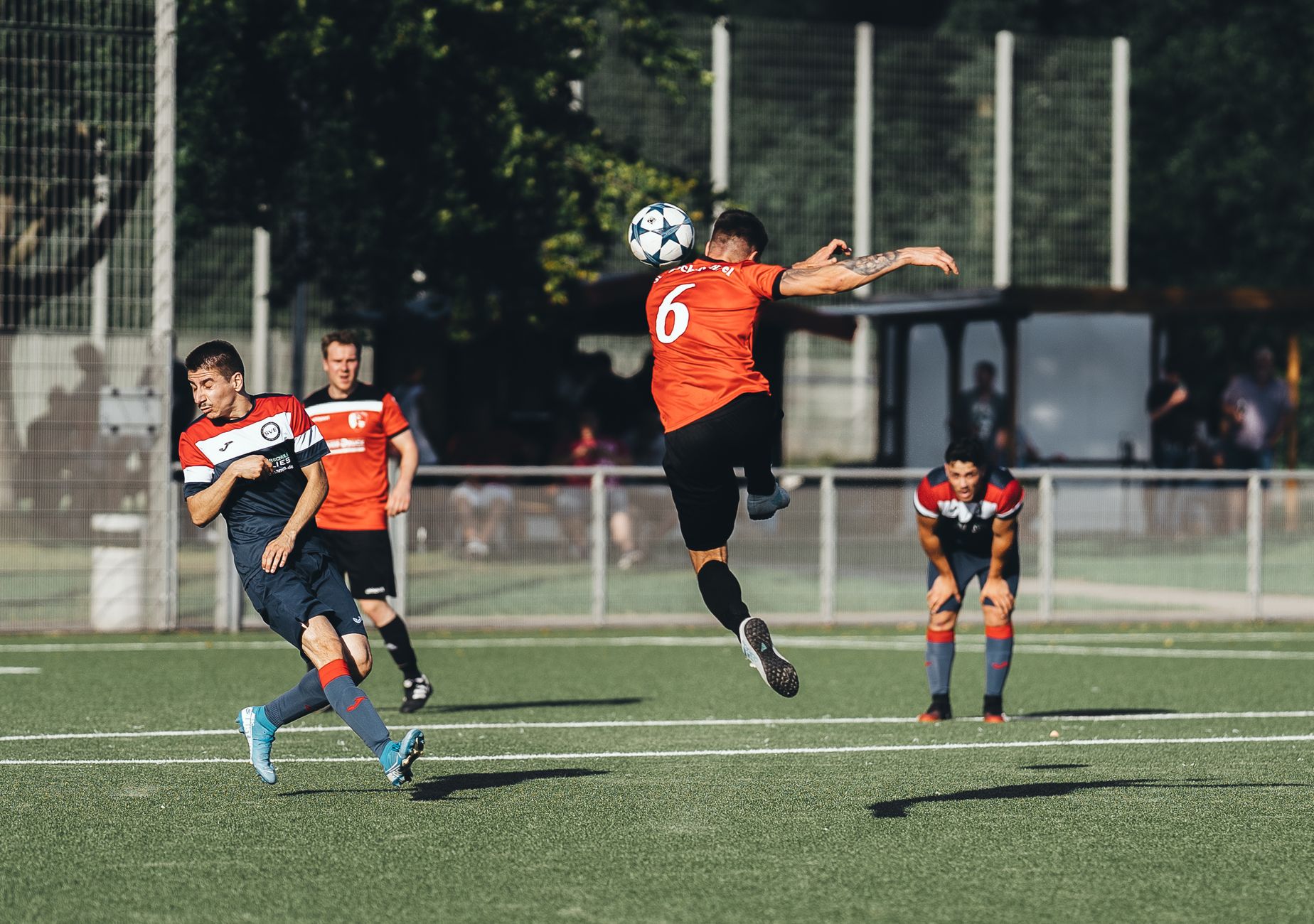
Photo by Omar Ramadan on Pexels
The final 10 minutes in Kansas City looked less like a football match and more like a negotiation with the standings table. Algeria appeared willing to manage the draw when the score was 2-2, because that result still served their qualification interests. Then Mahrez, Algeria’s captain and most recognizable attacking figure, broke the balance with a stoppage-time goal that seemed to hand Les Fennecs a famous win. That moment is where many articles stop thinking clearly: a late winner feels definitive, but in a World Cup group finale, the table keeps breathing until the referee ends the match.
Austria’s response was more than desperation. Marko Arnautovic and Marcel Sabitzer had already put Austria into the match narrative, but Kalajdzic turned it into a standings rescue operation. His 96th-minute header did three things at once: secured Austria’s progression, kept Algeria alive, and eliminated Iran from the available third-place pathway. This is why the match was not simply “Algeria vs Austria 3-3”; it was Austria, Algeria, Iran, Argentina, and the entire Group J table moving around one aerial duel. The Associated Press framing of World Cup group finales often emphasizes simultaneous consequences, and this match is a clean example of that chaos.
Here is the under-discussed betting and analysis angle: the safest pre-match reading was not “Austria must win” or “Algeria must win.” It was that both teams had incentive structures that could change depending on Iran’s position and the live score. That makes late-game totals, draw protection, and qualification markets especially volatile. A bettor who only looked at team quality missed the standings geometry; an analyst who mapped the table had a clearer sense of why the final minutes became strangely open after long spells of control.
[Internal Link: live betting strategy for World Cup group finales]
Round 3: What Did the Result Mean for Iran and Group J?
The 3-3 draw eliminated Iran because both Algeria and Austria reached 4 points and stayed ahead of Iran’s third-place qualification hopes. Had either Austria or Algeria lost, Iran could have advanced as one of the best third-place teams.
This is the part most neutral fans underplay: Iran did not lose this match, yet Iran was one of its biggest losers. The World Cup’s expanded format creates these shadow contests, where a team watching from elsewhere can be knocked out by a stoppage-time header in Kansas City. Algeria and Austria advancing together was not suspicious by itself; it was a direct consequence of the points table and best third-place structure. Still, the emotional optics were unusual because a draw became mutually beneficial once the final equalizer landed.
The best way to understand the Group J standings is to separate outcome from interpretation. Argentina finished ahead in the group, Austria took second, Algeria moved through from third, and Iran was squeezed out. That does not mean Algeria and Austria played for a fixed draw; the sequence of late goals argues against that simplistic claim. Mahrez’s 90+3 strike would have damaged Austria severely, while Kalajdzic’s 90+6 equalizer rescued them. The scoreline became convenient only after violent swings in risk, which is why a skeptical reading should avoid conspiracy and focus on incentives.
A useful operational tip for future 2026 World Cup standings analysis: always build a “goal event table” for the final 15 minutes. Note the score before the goal, the live group rank after the goal, and the team eliminated or rescued by that goal. In this match, the Mahrez goal temporarily elevated Algeria’s position and threatened Austria, while the Kalajdzic goal restored Austria’s second place and sealed Iran’s exit. That is the kind of detail that typical top-10 recaps rarely preserve, but it is exactly what explains why the standings looked confusing afterward.

Photo by Ron Lach on Pexels
The Final Score & Who Should Pick What
The final score was Algeria 3-3 Austria, but the smarter conclusion is that Austria gained the cleaner standings reward while Algeria gained the survival reward. Austria’s second-place finish gave them official superiority in Group J despite sharing 4 points with Algeria. Algeria’s third-place advancement was still a success, especially as one of several African teams to reach the knockout stage, but it came with less control over bracket placement. If you are choosing which team had the better night, the answer depends on whether you value table rank or emotional resilience.
For tactical readers, Austria showed the stronger recovery profile. Falling behind in stoppage time and still finding a 96th-minute equalizer requires structure, height, and belief in late crossing patterns. For narrative readers, Algeria had the more dramatic attacking figure in Riyad Mahrez, whose two goals nearly turned the group upside down. For bettors and bracket forecasters, the refined position is less romantic: Austria’s standings outcome was better, Algeria’s qualification outcome was enough, and Iran’s elimination was the hidden consequence that made the match globally significant.
The five mistakes fans should avoid are straightforward:
- Treating 4 points as identical value for both teams.
- Ignoring Austria’s second-place advantage over Algeria’s third-place route.
- Calling the 3-3 draw inevitable after the match rather than tracking the 90+3 and 90+6 swings.
- Forgetting Iran’s qualification scenario when reading the Group J table.
- Judging knockout prospects without considering Spain for Austria and Switzerland for Algeria.
For more bracket-aware World Cup coverage from Football Insights, use the standings as a starting point, not a conclusion.
[Internal Link: Algeria knockout preview against Switzerland]
What Should Bettors and Fans Learn from the Standings?
Bettors and fans should learn that World Cup standings are dynamic markets, not static tables. In Algeria vs Austria, two stoppage-time goals changed qualification risk, opponent assignment, and Iran’s tournament fate within minutes.
The gambling angle is not about chasing drama; it is about understanding incentives before prices move. When two teams can both advance with a draw, markets often compress around conservative assumptions, but Algeria vs Austria showed why that can be dangerous. A 2-2 draw created one incentive profile, Mahrez’s 3-2 goal created another, and Kalajdzic’s 3-3 equalizer created a final one. Anyone tracking only possession, expected goals, or star names missed the live table’s force on decision-making.
Football Insights recommends a three-layer method for future group finales:
- Check the live points table before evaluating tactics.
- Identify which teams benefit from a draw, win, or narrow loss.
- Recalculate bracket opponents after every goal from the 75th minute onward.
This approach matters because knockout matchups can be more important than the group-stage result itself. Austria versus Spain in Los Angeles is a very different challenge from Algeria versus Switzerland in Vancouver, even though both teams left Kansas City with the same match result. That is the contrarian conclusion: the 3-3 draw was shared, but the standings consequences were not.

Photo by Lukas Blazek on Pexels
Ready to read the table with more context before the next matchday?
Frequently Asked Questions
Q: What is the Algeria national football team vs Austria national football team standings result?
A: Algeria and Austria both finished the match with 4 Group J points after a 3-3 draw. Austria ranked second in the group, while Algeria ranked third and advanced through the best third-place route. The key distinction is that equal points did not produce equal standings value.
Q: How did Austria finish above Algeria if both had 4 points?
A: Austria finished above Algeria because the full Group J ranking criteria placed Austria second and Algeria third. World Cup group standings are not decided by points alone when teams are level. Goal difference, goals scored, head-to-head rules, and disciplinary criteria can all influence final order.
Q: What is the difference between Austria’s and Algeria’s knockout path?
A: Austria’s second-place finish sent them toward Spain in Los Angeles, while Algeria’s third-place qualification set up Switzerland in Vancouver. That makes Austria’s table rank better but arguably their opponent more difficult. Algeria had less control over placement but still achieved the main objective: survival.
Q: Why did Iran fail to qualify after Algeria vs Austria ended 3-3?
A: Iran failed to qualify because the draw allowed both Austria and Algeria to reach 4 points. If either team had lost, Iran could have remained in contention as one of the best third-place teams. Kalajdzic’s 90+6 equalizer effectively closed that route.
Q: How should fans read World Cup standings during final group matches?
A: Fans should read final group standings by tracking live points, goal difference, and qualification thresholds after every goal. The Algeria vs Austria match showed that one stoppage-time goal can change multiple teams’ futures. The best method is to update the table immediately after major events from the 75th minute onward.
Q: Is the Algeria 3-3 Austria result good for bettors to study?
A: Yes, the match is a useful betting case study because it shows how live standings can override simple team-form analysis. Markets can move sharply when a goal changes qualification incentives. Bettors should assess not only who is stronger, but who needs what result at each moment.
Q: What are the requirements for a third-place team to advance in the 2026 World Cup?
A: A third-place team must rank among the best third-place finishers across the groups. Points are the first filter, but tiebreakers such as goal difference and goals scored can become decisive. Algeria’s 4 points were enough to move on, while Iran’s scenario depended on Austria or Algeria failing to get the result they needed.
Thank you for reading this piece from our digital heirloom collection.
Football Insights · The Digital Heirloom · Volume I