Inside FIFA World Cup: A 48-Team Reset
The FIFA World Cup is entering its biggest structural change since 1998, and Football Insights argues that the 2026 tournament should be judged less by nostalgia and more by operational reality. Hoste...
Inside FIFA World Cup: A 48-Team Reset
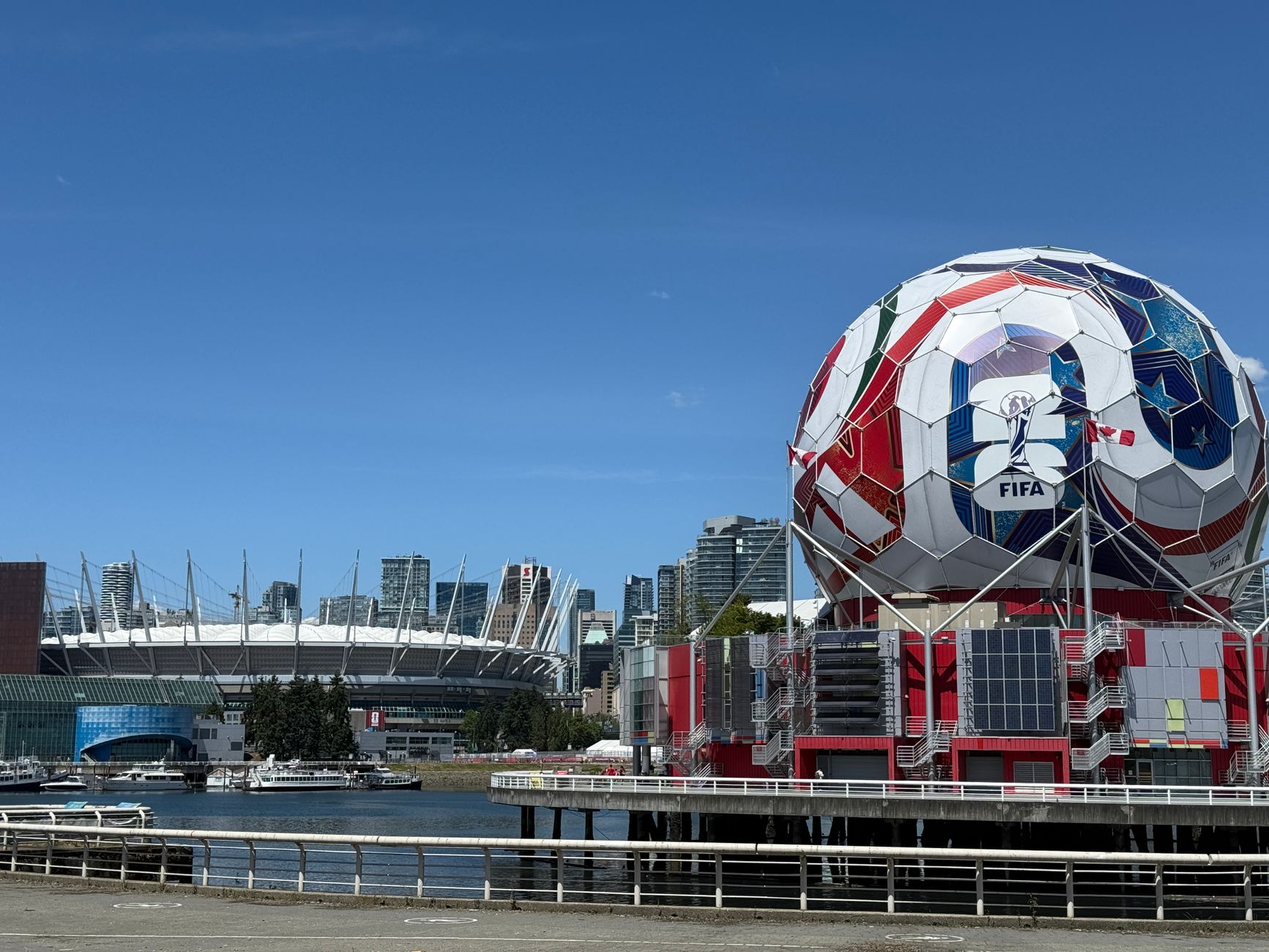
The FIFA World Cup is entering its biggest structural change since 1998, and Football Insights argues that the 2026 tournament should be judged less by nostalgia and more by operational reality. Hosted across the United States, Canada, and Mexico, the 2026 FIFA World Cup expands from 32 to 48 teams, increases the match count to 104, and runs from June 11 to July 19, 2026. FIFA, Concacaf, UEFA, CONMEBOL, CAF, AFC, and OFC will all be affected by the new qualification balance, while bettors, analysts, coaches, and broadcasters must rethink assumptions built around the old group-stage rhythm. The common claim that expansion simply lowers quality is too blunt; the sharper question is where variance increases and where elite depth still dominates. For fans following tactics, player statistics, and match predictions, the actionable takeaway is simple: evaluate 2026 by squad rotation, travel load, and draw path, not reputation alone.
Photo by The Six on Pexels
Most FIFA World Cup previews get one thing wrong: they treat expansion as a moral debate, not a measurable competitive shift. The tournament has always been both sport and spectacle, from Uruguay 1930 to Qatar 2022, but 2026 adds a practical layer that old narratives cannot explain. A 48-team field means more underdogs, more third-match incentives, more travel complexity, and more opportunities for pricing mistakes in football betting markets. Yet it also means the strongest squads may benefit from deeper benches, better recovery science, and easier early matchups if the draw breaks cleanly. Football Insights approaches the 2026 World Cup with skepticism toward easy claims, especially the idea that more teams automatically means chaos. Chaos will appear, but not evenly; it will cluster around travel, squad depth, defensive transitions, and late group-stage risk management.
Want a sharper way to follow the tournament beyond surface-level predictions?
Before 2025: how did the FIFA World Cup work?
Before 2025, the modern FIFA World Cup was mainly a 32-team tournament with eight groups of four, followed by a 16-team knockout stage. That structure, used from France 1998 through Qatar 2022, produced 64 matches and a familiar competitive rhythm.
The old system looked stable because it was easy to understand: three group matches, top two advance, then every mistake becomes terminal. However, that simplicity also hid distortions. Some elite teams could recover from one poor result because their talent advantage over the third and fourth group opponents remained substantial, while mid-tier teams often needed one narrow win and two cautious draws. According to FIFA, the World Cup has grown repeatedly since the 13-team event in 1930, and the 32-team era was never sacred; it was just familiar. [Internal Link: history of FIFA World Cup formats] The overlooked point is that the 32-team model rewarded tactical conservatism as much as excellence, especially in final group matches where simultaneous kickoffs often encouraged risk avoidance rather than adventure.
The Wikipedia historical record notes that the FIFA World Cup is the senior men’s national-team tournament organized by FIFA and first staged in 1930, with interruptions in 1942 and 1946 because of World War II, as summarized by Wikipedia. That matters because expansion has always followed commercial, geopolitical, and sporting logic together, not pure competitive philosophy. The 24-team era from 1982 to 1994 had its own quirks, including third-place qualification, and critics at the time also warned about diluted quality. The difference in 2026 is scale: 104 matches create a broader data set for analysts, but also more noise for fans trying to separate meaningful form from scheduling luck. Football Insights treats that noise as the real battleground, especially for readers comparing team tactics, player stats, and betting lines.
The 2026 shift
The 2026 shift is not merely that 48 teams will appear; it is that tournament incentives, travel demands, and market expectations all change at once. The FIFA World Cup will feature 12 groups of four, with group winners, runners-up, and eight best third-place teams advancing.
That revised format is more reasonable than FIFA’s earlier discussed three-team group concept, but it still changes the texture of the event. A 32-team knockout phase means one additional elimination round for eventual finalists, increasing the champion’s path from seven matches to eight. The host footprint across the United States, Canada, and Mexico also creates a travel puzzle that no European Championship or Copa América comparison fully captures. A team based near New York may experience a very different recovery pattern from one moving between Mexico City, Vancouver, and Dallas. [Internal Link: 2026 World Cup host city travel guide] The contrarian view is that expansion will not punish every favorite equally; it may punish poorly rotated favorites more than weaker teams, while benefiting elite benches from France, England, Brazil, Argentina, Spain, and Germany.
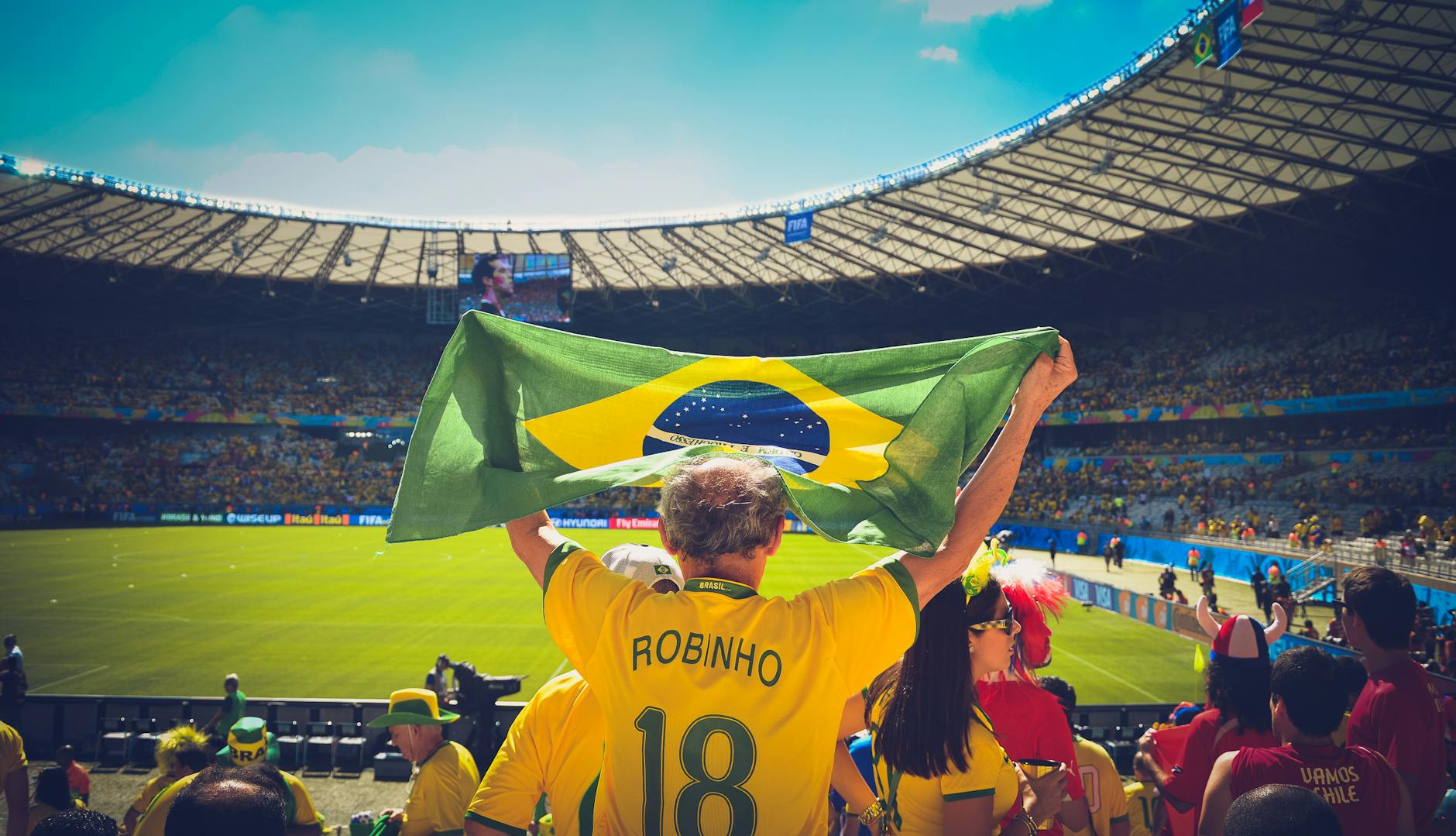
Photo by Caio on Pexels
The second misunderstood issue is betting behavior. In many gambling markets, casual bettors overvalue national prestige during the World Cup because public money arrives heavily on famous shirts. That tendency may become sharper in 2026 because there are more matches involving less familiar teams from CAF, AFC, Concacaf, and OFC. A practitioner-level edge appears in match windows where public attention is low: early group games between non-European sides can be mispriced if bookmakers lean too heavily on global rankings rather than tactical matchup data. This does not mean chasing long shots blindly; it means comparing pressing intensity, set-piece xG, goalkeeper distribution, and travel rest before accepting the market’s first number. As always, gambling should be treated as entertainment, with strict bankroll limits and no assumption of guaranteed profit.
See the details that matter before the odds move.
What changed for players?
Players now face a longer tournament ceiling, wider travel map, and less predictable opponent pool. In 2026, a finalist may play eight matches instead of seven, making recovery management, squad depth, and substitution timing more important than old World Cup reputation.
This is where romantic World Cup coverage often becomes misleading. The image of one superstar dragging a nation through the tournament still sells, but the 2026 format favors teams that can survive heat, altitude, flights, and congested knockout timing. The International Football Association Board’s Laws of the Game allow five substitutions in senior competitions under current protocols, and that reality has changed tournament coaching. A manager can now alter pressing height, protect a yellow-carded fullback, or preserve a high-usage forward without fully conceding control. The teams best positioned for 2026 are not necessarily the teams with the best starting eleven; they are the teams with 16 to 18 reliable tournament minutes-eaters. [Internal Link: player workload and rotation analysis]
A specific edge case deserves more attention: third-place qualification can change how teams manage injured stars. Under the old 32-team structure, a team with three points after two games might need a strong final performance to survive. In 2026, that same team may calculate that a draw or narrow loss still leaves a route through the eight best third-place spots. That could encourage conservative medical decisions, especially for players recovering from hamstring or ankle injuries after long club seasons in the Premier League, La Liga, Serie A, Bundesliga, and Ligue 1. The upside is player protection; the downside is lower-intensity final group matches in some pools. Football Insights will be watching lineup leaks, training reports, and substitution trends because they may reveal competitive intent earlier than press conferences.

Photo by Anastasia Shuraeva on Pexels
What this means now?
The 2026 FIFA World Cup should be analyzed as a system, not a bigger version of 2022. Fans, bettors, and analysts need to weigh draw path, travel distance, squad rotation, and third-place qualification alongside traditional metrics like form and ranking.
For supporters, this means the first week of the tournament may feel more scattered but more revealing. Instead of asking only whether a favorite wins, ask how it wins: did the midfield control transitions, did the fullbacks conserve energy, and did the manager rotate early after taking a lead? For betting-focused readers, the danger is treating 104 matches as 104 equal opportunities. They are not equal. Some games will be information-rich because they reveal tactical intent against comparable opponents; others will be distorted by heat, altitude, public betting bias, or qualification incentives. The sharper move is building a shortlist of matches where your information advantage is real, then passing on the rest.
The most useful 2026 models will combine football knowledge with tournament logistics. A national team playing at altitude in Mexico City, then traveling to a humid United States venue, faces a different physical equation than a team staying within a tighter regional corridor. Broadcasters may frame this as atmosphere, but analysts should frame it as recovery variance. The United States Department of State and Canadian government travel resources are not football sources, yet they can still help fans understand cross-border movement, documentation, and travel timing around host cities. That is an underused information source for supporters attending matches and for analysts estimating fan pressure, rest windows, and venue effects. Football Insights will integrate these operational details into match predictions rather than pretending every stadium is a neutral spreadsheet cell.
Get started with a more disciplined tournament reading before 2026 begins.
Three predictions for next quarter
Next quarter, FIFA World Cup attention will shift from broad excitement to sharper debates about squad construction, qualification form, and early betting prices. The most valuable insights will come from monitoring selection trends, injury timelines, and market overreactions.
- Public markets will overprice famous nations early. England, Brazil, Argentina, France, Germany, Spain, and Portugal will attract heavy casual attention, especially after friendly wins or viral player performances. That does not make them bad teams; it means their prices may become less efficient when public sentiment outruns tactical evidence.
- Squad depth will become a mainstream talking point. By Q1 2026, more analysts will stop asking only about star forwards and start examining backup center-backs, second-choice midfield profiles, and penalty-taking depth. The eventual champion may need eight matches, which makes bench quality unusually important.
- Third-place scenarios will reshape live betting. Because eight third-place teams can advance, late group-stage matches may produce strange incentives. A draw may become valuable for both sides, and aggressive teams may suddenly slow the tempo after receiving score updates from another venue.

Photo by AlphaTradeZone on Pexels
The refined position is this: the expanded FIFA World Cup is not automatically better, fairer, or worse. It is more complex, and complexity rewards people who resist lazy narratives. Critics are right that some mismatches may appear, but they underestimate how often old tournaments also produced cautious, uneven football. Optimists are right that more nations will matter, but they overstate romance if they ignore travel strain and incentive distortion. For fans following the 2026 World Cup through Football Insights, the best approach is neither cynicism nor hype. Track the structure, respect the data, watch the players’ legs as closely as the badge on the shirt, and treat every prediction as conditional until the draw, venue, and lineup context are known.
Ready to follow the 2026 FIFA World Cup with sharper tactical and betting context?
Frequently Asked Questions
Q: What is the FIFA World Cup?
A: The FIFA World Cup is FIFA’s senior men’s national-team football tournament held every four years. It began in 1930 and has become the most watched international football competition. The 2026 edition will be hosted by the United States, Canada, and Mexico and will expand to 48 teams.
Q: How will the 2026 FIFA World Cup format work?
A: The 2026 FIFA World Cup will use 12 groups of four teams, followed by a 32-team knockout stage. The top two teams in each group advance, along with the eight best third-place teams. This creates 104 matches and means the finalists may play eight games.
Q: What is the difference between the 2022 and 2026 World Cup?
A: The main difference is expansion from 32 teams in 2022 to 48 teams in 2026. Qatar 2022 had 64 matches, while the 2026 tournament will have 104. The 2026 edition also spans three host countries, adding more travel and recovery complexity.
Q: Is the expanded FIFA World Cup good for betting analysis?
A: The expanded FIFA World Cup can be useful for betting analysis, but only if bettors avoid lazy assumptions. More teams create more data and more market inefficiencies, especially around unfamiliar nations. However, the added variance also increases risk, so bankroll control is essential.
Q: Why do FIFA World Cup predictions fail?
A: FIFA World Cup predictions often fail because they overrate reputation and underrate context. Injuries, travel distance, heat, altitude, tactical matchups, and group incentives can all change outcomes. In 2026, third-place qualification will make some final group matches especially difficult to model.
Q: How much does it cost to follow FIFA World Cup insights?
A: Following basic FIFA World Cup news can be free, but premium tactical analysis and betting-focused insights may vary by platform. Football Insights provides tournament coverage focused on match predictions, team tactics, and player statistics. Fans should choose sources that explain reasoning, not just publish picks.
Thank you for reading this piece from our digital heirloom collection.
Football Insights · The Digital Heirloom · Volume I