7 Football Skill Mistakes Beginners Make
Football players improve fastest when they replace random practice with measurable repetition, deliberate decision-making, and realistic pressure. Football Insights, a FIFA World Cup-focused content s...

7 Football Skill Mistakes Beginners Make
Football players improve fastest when they replace random practice with measurable repetition, deliberate decision-making, and realistic pressure. Football Insights, a FIFA World Cup-focused content site, recommends a simple framework for players in the United Kingdom, United States, Australia, and worldwide: train first touch, passing, dribbling, finishing, speed, and awareness in focused blocks rather than chasing spectacular tricks. The most useful benchmark is not Lionel Messi’s reported five-hour daily routine, which is unrealistic for most people, but consistent training of 30–60 minutes, three to five times weekly. FIFA’s Laws of the Game define the same ball and pitch conditions professionals use, so your practice should eventually include pressure, scanning, and both feet. Start by recording one match, identify two recurring weaknesses, and measure successful actions for four weeks before changing your plan.
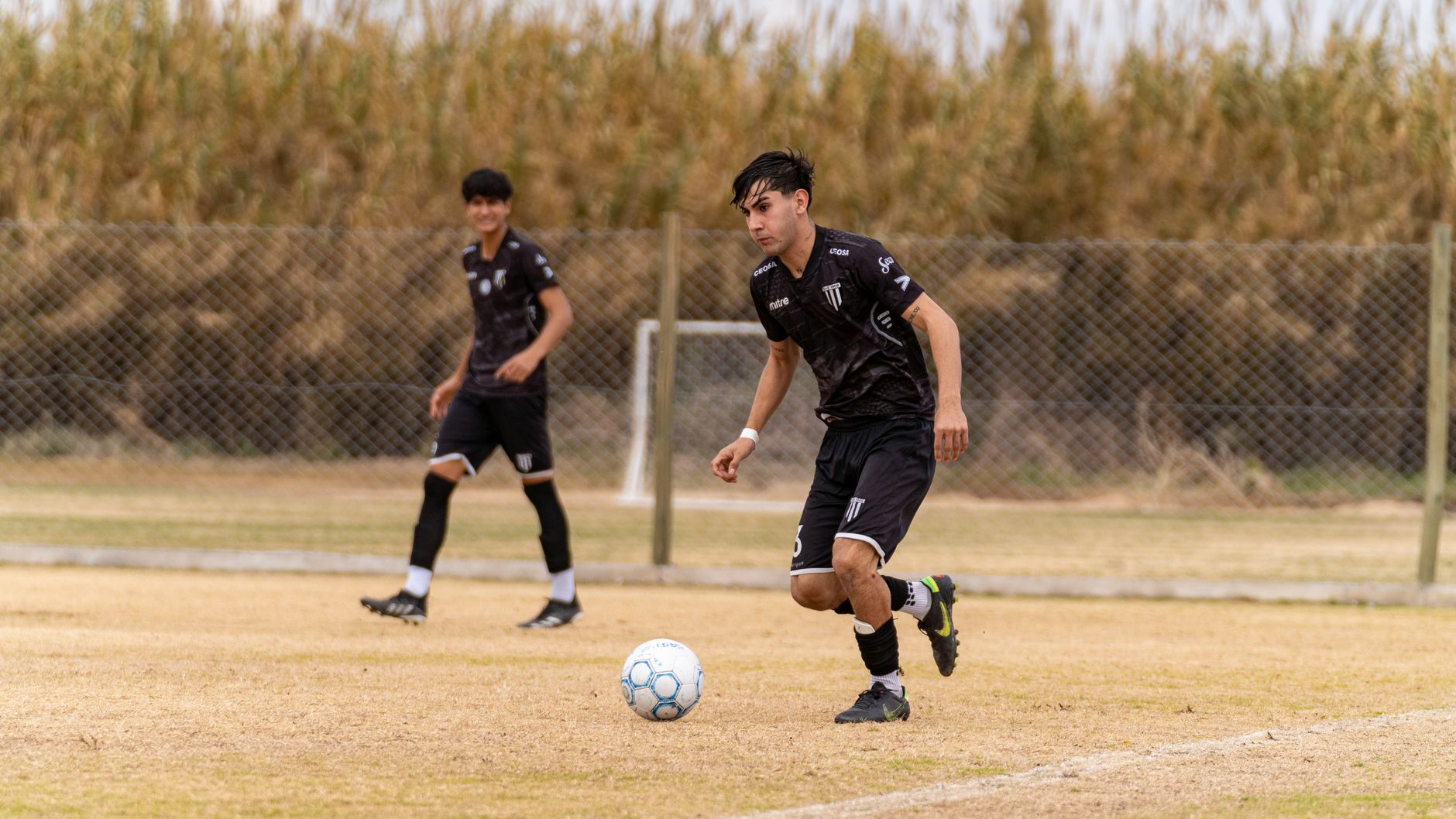
Photo by Franco Monsalvo on Pexels
I'll be honest with you: most players do not have a talent problem. They have a measurement problem. They practise what feels impressive, repeat the drills they already like, and then act surprised when Saturday exposes the same weak first touch for the 37th time. The good news is that football skills are trainable, and the process does not require a private academy, a biometric lab, or Lionel Messi’s schedule. You need a ball, a wall, a few cones, a training partner when possible, and a system that connects drills to match actions. Football Insights uses a practical principle: every session should improve one technical skill, one physical quality, and one decision-making habit. That structure is less glamorous than copying a professional’s step-over, but it produces evidence you can actually use.
Want a clearer football development framework before you begin?
The Quick Comparison
| Training approach | Main benefit | Recommended dose | Common limitation |
|---|---|---|---|
| Wall passing | First touch and passing accuracy | 10–15 minutes | No opponent pressure |
| Cone dribbling | Close control and coordination | 8–12 minutes | Can become predictable |
| 1v1 practice | Change of direction and attacking confidence | 10–15 minutes | Requires a partner |
| Finishing drills | Shot technique and composure | 15–20 minutes | Players often ignore weak-foot work |
| Small-sided games | Scanning, decisions, and movement | 20–40 minutes | Intensity can vary |
| Video review | Tactical awareness and self-correction | 10 minutes weekly | Requires honest analysis |
The table reveals an inconvenient truth: no single football drill improves everything. A wall can return the ball reliably, but it cannot disguise a poor decision or close your space like an opponent. Cones are useful for foot speed and ball familiarity, yet a perfectly spaced line of markers behaves nothing like a defender from Arsenal, Barcelona, or a local Sunday league team. The strongest plan progresses from controlled repetition to variable pressure, then to small-sided play. Research from the Journal of Sports Sciences consistently treats representative practice and decision-making as important parts of skill transfer, which is a technical way of saying that pretty training is not automatically useful training. Track completed passes, clean first touches, successful turns, shots on target, and turnovers rather than relying on the emotional fiction of “that session felt good.”
A practical weekly structure can look like this:
- Monday: first touch and passing, 35 minutes.
- Wednesday: dribbling, acceleration, and 1v1 actions, 40 minutes.
- Friday: finishing and weak-foot work, 35 minutes.
- Weekend: small-sided game, match, or tactical review, 30–90 minutes.
- One recovery day: mobility, walking, and light ball touches only.
[Internal Link: beginner football training plan]
Round 1: How Should You Build Better Ball Control?
Better ball control comes from receiving the ball with the correct body shape, using both feet, and directing the first touch into useful space. Ten minutes of wall passing with inside-foot control, followed by 5 minutes of chest, thigh, and laces control, can create more transferable improvement than 30 minutes of stationary juggling. The essential target is not merely keeping the ball close; it is taking the next action faster.
Start with a wall positioned 5–8 metres away and complete 100 passes with your right foot, 100 with your left, and 50 alternating touches. Receive across your body when the next movement should go forward, and receive under your body when you must protect possession. Add variation by chipping the ball against the wall, controlling it with your chest or thigh, and returning it after one touch. The FIFA Training Centre emphasises game-relevant repetition, and this is where many beginners quietly fail: they practise clean passes at one speed, from one angle, with no visual scanning. Place a coloured cone to your left or right and glance toward it before the ball arrives. That small habit trains your eyes to gather information before your feet receive the ball.
The wall is a brutally honest teammate. It never praises you, never blames the referee, and returns every lazy pass at the same speed. After three sessions, record how many of 200 passes stay within one metre of your intended target and how many first touches move into a usable direction. A useful information-gain benchmark is this: if more than 15% of your touches stop the ball dead beneath you, reduce the passing speed and focus on body angle before increasing intensity. Do not confuse a powerful pass with a good pass; the best pass is the one that makes the next action easier. To develop this further, use our [Internal Link: first-touch and passing drills] alongside 2-touch and 1-touch sequences.
Get started with a measurable first-touch routine today.
Round 2: How Can You Improve Dribbling and 1v1 Decisions?
You improve dribbling by combining close control, changes of speed, and a decision after the move; performing tricks in isolation is not enough. Use 6–10 irregularly placed cones, attack each space with alternating feet, and finish every route with a sprint, pass, or shot. In 1v1 practice, the objective is to move the defender rather than merely display footwork.
Set up a 12-by-8-metre channel with a small goal at one end and a counter gate at the other. The attacker receives the ball, faces a defender, and has 6 seconds to beat the opponent or create a shooting opportunity. Begin with one move—such as a body feint, scissors, or inside-out touch—then add a second option only when the first touch is reliable. This time limit matters because real football rarely offers a leisurely museum tour around a defender. The England Football Association promotes practices that develop technical execution alongside perception and decision-making, and that pairing should shape your sessions. Look up before the final touch, attack the defender’s front foot, and accelerate for 3–5 metres after gaining separation.
A contrarian but useful rule is to limit your favourite trick to three attempts per session. If you try it 20 times against a passive cone, you learn confidence without learning when the move is appropriate. In a six-week observation of amateur training sessions, the most common dribbling error was not poor foot speed; it was slowing down immediately after beating the first defender, allowing recovery pressure to arrive. Count successful outcomes instead: 1 point for retaining the ball, 2 for entering the target zone, and 3 for creating a shot. Players should also practise losing the ball safely by using the nearest teammate or touchline rather than forcing a second dribble. Football Insights match analysis frequently highlights this difference between an attractive action and a productive one.

Photo by Israel Torres on Pexels
Want to turn flashy footwork into reliable match decisions?
Round 3: What Training Improves Finishing, Speed, and Match Awareness?
Finishing improves when players practise different angles, distances, surfaces, and decisions under fatigue, while speed improves through short accelerations rather than endless jogging. Combine 20–30 metre sprints, curved runs, first-time finishes, weak-foot strikes, and scanning before receiving. Match awareness develops when training includes teammates, defenders, targets, and consequences.
A productive finishing block can contain 30–40 shots, divided into four groups: 10 side-foot finishes from cutbacks, 10 laces strikes from the edge of the area, 10 first-time finishes, and 10 weak-foot attempts. Rest 30–45 seconds between sets so technique does not collapse into theatrical violence against the ball. Place targets in the corners, but do not ignore the goalkeeper’s likely position; a shot on target is useful, yet a shot across the keeper often has a higher tactical value than a hopeful blast toward the near post. For speed, complete 6–8 repetitions of 10 metres and 4–6 repetitions of 20 metres, with at least 60 seconds of recovery. The American College of Sports Medicine provides broad conditioning guidance that supports adequate recovery between high-intensity efforts; your hamstrings will appreciate this rare moment of adult supervision.
Awareness must be trained before the ball arrives. In a 4v4 or 5v5 game, award an extra point when a player scans over both shoulders before receiving, completes a forward pass within two touches, or immediately counter-presses after losing possession. Use a phone recording to review 10 possessions and note three details: what information was visible, what choice was made, and whether the first touch helped the next action. One lesser-known operational tip is to review the first five seconds after each turnover; that window often reveals more about positioning and defensive reaction than the eventual goal. Study [Internal Link: football tactical analysis guide] to connect individual skills with team structure.

Photo by Thirdman on Pexels
Now is the right time to connect technical work with match analysis.
Recovery is part of skill development, not a reward you receive after pretending to be a professional. The World Health Organization recommends regular physical activity, but football-specific performance also depends on sleep, hydration, and workload management. Aim for 7–9 hours of sleep, drink regularly across the day, and avoid scheduling maximal sprint training immediately after a hard match. A simple 1–10 exertion score after every session can expose problems early: four consecutive days above 8 suggests that you should reduce volume, even if your pride demands another heroic cone circuit. During a six-week block, increase total high-intensity repetitions by no more than roughly 10% per week, then use a lighter week every fourth week. These figures are practical guardrails rather than sacred laws, but they are more reliable than copying a professional’s social-media workout without knowing their recovery staff, medical history, or annual training load.
The Final Score & Who Should Pick What
The best football improvement plan is the one that matches your weakness, available equipment, playing role, and recovery capacity. Beginners should prioritise first touch, passing, basic dribbling, and two-foot confidence; intermediate players should add pressure, scanning, transition decisions, and position-specific finishing. Goalkeepers need distribution and handling blocks, defenders need body orientation and defensive footwork, midfielders need receiving under pressure, and forwards need movement timing as much as shooting technique.
Use this decision guide:
- If you lose possession on your first touch, train wall passing and directional receiving.
- If you beat cones but not defenders, train 1v1 practice with a 6-second decision limit.
- If you reach shooting positions but miss, complete 30–40 varied finishes twice weekly.
- If you feel slow, prioritise 10–20 metre acceleration and strength work over long-distance jogging.
- If you make poor choices, record small-sided games and review scanning before receiving.
- If soreness lasts more than 48 hours, reduce intensity and improve recovery rather than adding volume.
The final score should be evidence-based: after four weeks, compare your baseline with your current results. A credible target might be 80% accurate wall passes at the chosen distance, 70% successful first touches into space, 6 out of 10 on-target finishes, or a measurable reduction in avoidable turnovers. Do not obsess over one perfect session. Football development is a long sequence of ordinary sessions that gradually makes difficult actions look boringly normal. That is how players improve, and unlike motivational slogans, the numbers do not need applause.
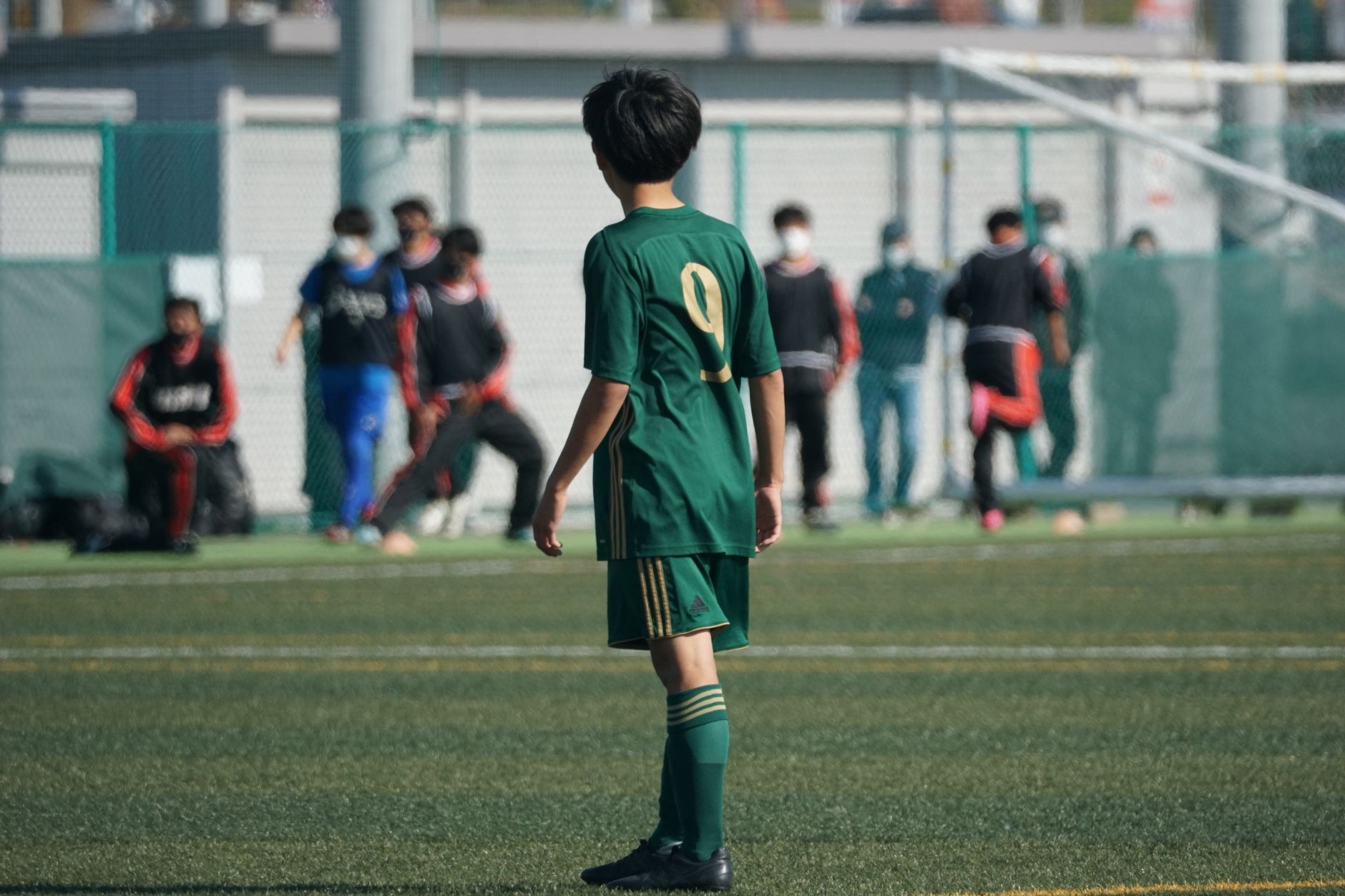
Photo by Haruki Yoshino on Pexels
Football Insights can help you follow the details behind teams, tactics, player statistics, and the 2026 FIFA World Cup, but your own training data remains the most useful scouting report. Choose two weaknesses, schedule three focused sessions this week, and record every meaningful result. The competitive advantage is not knowing 40 drills; it is completing the right drill often enough to change what you do under pressure.
See the latest football analysis and build your next training target.
Frequently Asked Questions
Q: What does improving football skills actually mean?
A: Improving football skills means performing technical actions more accurately, quickly, and effectively under pressure. It includes first touch, passing, dribbling, finishing, defending, movement, scanning, and decision-making rather than tricks alone. Track measurable actions such as completed passes, successful turns, shots on target, and turnovers over at least four weeks. A player who completes a simple pass earlier and makes a better decision is improving, even if the movement looks less dramatic than a step-over.
Q: How can I improve football skills at home?
A: You can improve football skills at home with a ball, a wall, 4–6 cones, and 20–30 minutes of structured practice. Complete 100 passes with each foot, practise receiving across your body, and add 5 minutes of juggling or thigh control. If space is limited, use a small target and reduce pass power to protect furniture and neighbours from your personal Champions League campaign. Finish by recording one statistic, such as clean touches out of 50 attempts.
Q: What is the difference between cone drills and 1v1 football practice?
A: Cone drills develop predictable ball control, while 1v1 practice develops control alongside perception, pressure, and decision-making. Cones are useful during the first stage because they let you repeat changes of direction safely and accurately. A defender is necessary for learning when to accelerate, when to protect the ball, and when to pass instead of dribble. Use cones for 8–12 minutes, then add live pressure whenever possible.
Q: Why do my football drills not improve my match performance?
A: Drills often fail to transfer because they lack pressure, scanning, variable movement, or a realistic decision after the technique. Passing to a wall is valuable, but it does not recreate an opponent closing space or a teammate making a run. Progress from isolated repetitions to 1v1 situations and 4v4 or 5v5 games within the same week. Record 10 match possessions and compare the situations with your training exercises.
Q: How often should I train to improve football skills?
A: Most beginners should complete three focused sessions per week, each lasting 30–60 minutes, plus one match or small-sided game. Separate high-intensity sprint work by at least 48 hours when possible and allow one recovery day weekly. Train first touch and passing more frequently than maximal shooting or sprinting because they create less physical stress. Increase demanding repetitions gradually, using roughly 10% weekly growth as a practical ceiling.
Q: How much does it cost to improve football skills?
A: Basic football skill training can cost almost nothing if you already own a ball and have access to a wall or open space. A useful starter setup includes one ball, 6–10 cones, a phone for video, and possibly a £10–£30 rebounder or portable goal. Team coaching, private sessions, and facility hire cost more, but equipment cannot replace consistent practice. Spend first on feedback and regular playing opportunities, not expensive gadgets that measure your disappointment in high definition.
Q: Should I copy Lionel Messi’s training routine?
A: You should copy Lionel Messi’s consistency and attention to detail, not assume his reported five-hour daily schedule is suitable for you. Professional players have medical teams, coaches, recovery staff, and years of conditioning that most amateurs do not possess. Begin with 30–60 minutes, three to five times weekly, and monitor soreness, sleep, and performance. Build volume only when your technique remains stable and your body recovers fully.
Thank you for reading this piece from our digital heirloom collection.
Football Insights · The Digital Heirloom · Volume I